DRT Lawyers in Delhi
Representation before DRT-I, DRT-II and DRT-III Delhi in bank recovery cases, securitisation applications and urgent stay matters.
Read moreReceived a SARFAESI notice, an auction notice or a DRT summons? Speak with an experienced DRT/DRAT advocate within an hour for a focused 30-minute consultation, and come away knowing your deadline and the legal options open to you.
Legal support for borrowers, guarantors, MSMEs, banks and NBFCs before the Debt Recovery Tribunal and the DRAT, from the first notice to the final order.
Browse all servicesRepresentation before DRT-I, DRT-II and DRT-III Delhi in bank recovery cases, securitisation applications and urgent stay matters.
Read moreAppeals before the Debt Recovery Appellate Tribunal, Delhi against DRT orders under Section 18 of the SARFAESI Act and Section 20 of the RDB Act.
Read moreChallenge the bank's Section 13(4) action before the DRT within 45 days, and ask for a stay of possession or auction where the facts support it.
Read moreA 13(2) notice gives you 60 days. We check the NPA date, the amount claimed and the notice itself, then plan your reply.
Read moreObject to the NPA classification, the amount or the notice. The lender has to answer with reasons within 15 days before it can take possession.
Read moreGot a possession notice? Your options include a Section 17 application, a stay request, restructuring or a one-time settlement offer.
Read moreOpposing or pursuing applications before the Chief Metropolitan Magistrate or District Magistrate for physical possession of secured property.
Read moreChallenges to defective sale notices, low reserve prices and breaches of Rules 8 and 9 of the Security Interest (Enforcement) Rules, 2002.
Read moreUrgent interim applications to protect possession or stop an auction while your securitisation application is pending.
Read moreWritten statement, counter-claim and set-off in recovery applications filed by banks under Section 19 of the RDB Act for dues of Rs 20 lakh and above.
Read moreRepresentation before the DRT Recovery Officer on attachment, sale of property and objections to execution of the recovery certificate.
Read moreAppeal a DRT order in a securitisation application within 30 days. Pre-deposit is 50% of the debt, which the DRAT may reduce to 25%.
Read moreAppeal a DRT final order in a recovery case within 45 days. Pre-deposit is 50% of the amount determined, which the DRAT may reduce to 25%.
Read moreApplications to reduce the mandatory DRAT pre-deposit, backed by financial records and the strength of the appeal on merits.
Read moreNegotiating an OTS with banks, NBFCs and ARCs, and recording it properly so DRT and SARFAESI proceedings close and the property is released.
Read moreChallenging a wilful defaulter tag under RBI directions, including your right to a show-cause notice, the documents and a fair hearing.
Read moreProtecting guarantors named in DRT recovery cases and SARFAESI action, including discharge, extent of liability and limitation defences.
Read moreTenants and third parties in possession of mortgaged property can object before the DRT or the CMM/DM. We protect lawful occupation.
Read moreChallenging NPA classification and SARFAESI action where the lender ignored the RBI framework for revival and rehabilitation of MSMEs.
Read moreRecovery applications, SARFAESI enforcement, Section 14 petitions and recovery certificate execution for lenders and asset reconstruction companies.
Read moreKnow your exact deadline: 45 days for Section 17, 30 days for a SARFAESI appeal and 45 days for an RDB Act appeal, and when delay can be condoned.
Read moreHow applications are filed on the e-DRT portal, the court fee payable and the documents the tribunal needs before listing.
Read moreWrit petitions under Article 226 against SARFAESI action where there is a lack of jurisdiction, a breach of natural justice or no effective remedy.
Read moreSpecial leave petitions before the Supreme Court against DRAT and High Court orders in SARFAESI and bank recovery disputes.
Read more52+news publications have covered our DRT and SARFAESI work
See all media coverage


















































DRT/DRAT Advocates, led by Advocate BK Singh, handles cases before the Debt Recovery Tribunals and the Debt Recovery Appellate Tribunal under the SARFAESI Act, 2002 and the Recovery of Debts and Bankruptcy Act, 1993. We act for borrowers, guarantors, MSMEs, home-loan customers, banks and NBFCs, from the first demand notice to the final order or settlement.
Tribunal deadlines don't bend: 45 days for a Section 17 securitisation application, 30 days for a SARFAESI appeal and 45 days for an RDB Act appeal. We file securitisation applications, defend bank recovery cases, argue interim stays and take appeals to the DRAT, the Delhi High Court and the Supreme Court.
Most SARFAESI cases are won or lost on paper: the loan and mortgage documents, the NPA date, the 13(2) and 13(4) notices, the valuation report and the sale notice. We check each one for defects and draft replies, objections, applications, written statements and appeals that put those defects in front of the tribunal.
Litigation isn't always the right answer. When it serves you better, we negotiate a one-time settlement or restructuring with the bank, NBFC or ARC, and make sure it is recorded before the DRT so the case closes and your property and title documents come back.

Received a Section 13(2) demand notice or a 13(4) possession notice? Send a lawyer-drafted reply or objection before the deadline runs out.
Reply to a noticeBorrowers file a securitisation application; lenders file a recovery application for dues of Rs 20 lakh and above. We draft, file and argue both.
File a DRT caseBook a confidential consultation to go through your notices and loan papers and leave with a clear plan: challenge, appeal or settle.
Consult an advocateHome-loan borrowers, MSMEs, guarantors and lenders come to us when a bank recovery turns into a legal fight: a demand notice, a possession notice, an auction date, a recovery application or an appeal. We practise from Delhi before DRT-I, DRT-II, DRT-III and DRAT Delhi, and take matters before tribunals across India.
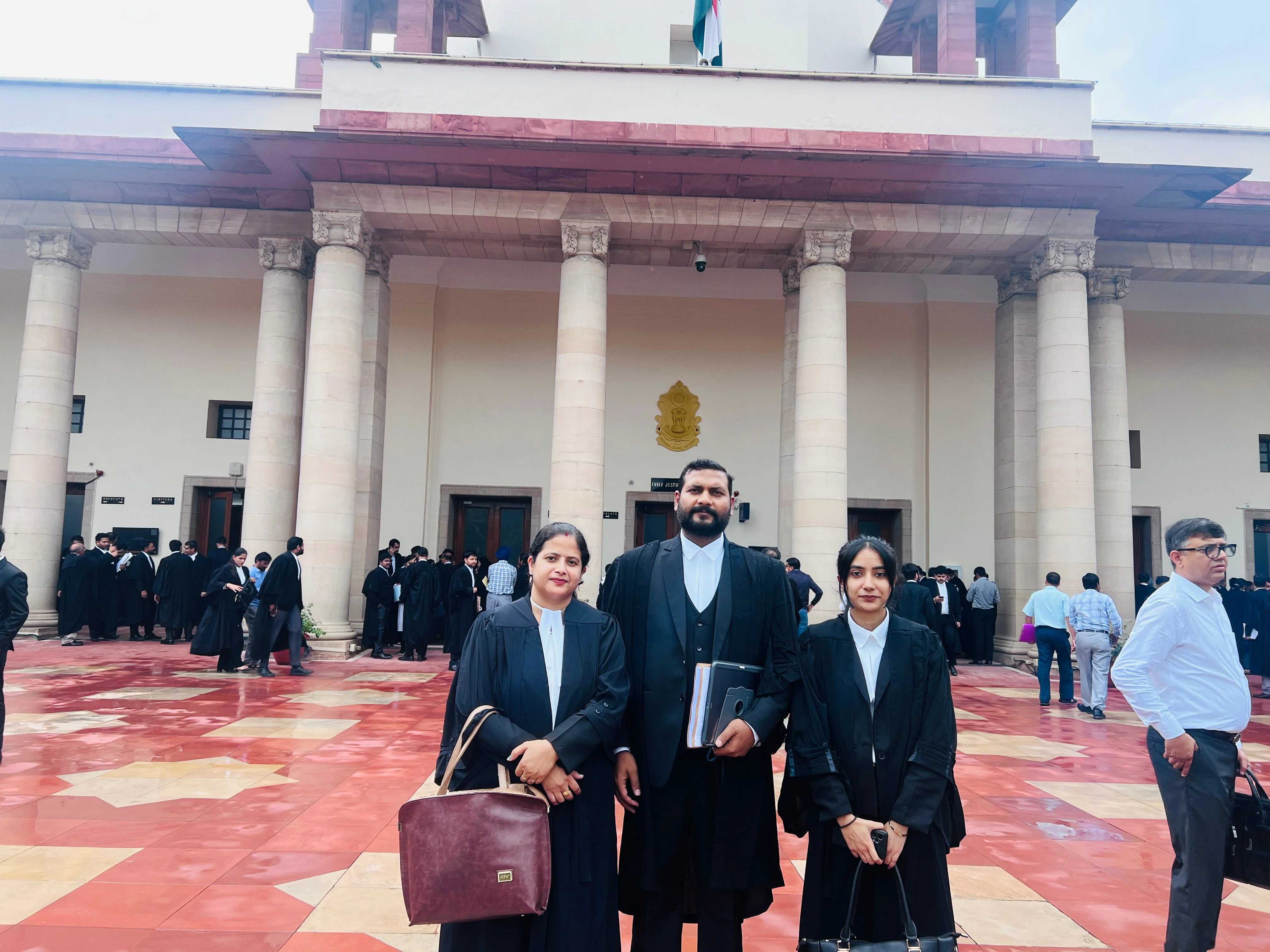

Borrowers, MSMEs and guarantors we have represented before the DRT and DRAT, in their own words.
Testimonial

Plain-language guides on SARFAESI notices, DRT procedure, DRAT appeals and bank settlements, written by our advocates.
From the Section 13(2) notice to the DRAT appeal and one-time settlement.
Short answers to the questions borrowers and lenders ask us most.
Tell us the stage your case is at. An advocate will call you back within the hour.
Chat on WhatsApp Call +91-9625961599The Debt Recovery Tribunal is set up under the Recovery of Debts and Bankruptcy Act, 1993. It hears recovery applications filed by banks and financial institutions for debts of Rs 20 lakh or more, and securitisation applications under Section 17 of the SARFAESI Act filed by borrowers and others against a lender's recovery action.
A Section 13(2) notice gives you 60 days to pay the full amount demanded. Within that period you can send a representation or objection under Section 13(3A), and the lender must reply with reasons within 15 days. Have a lawyer check the NPA date, the amount and the notice before the 60 days end.
A securitisation application under Section 17 must be filed before the DRT within 45 days from the date the lender takes a measure under Section 13(4), such as taking possession of the secured property.
Yes. When a Section 17 application shows a strong case, such as a defective notice, a wrong NPA classification or a breach of the sale rules, the DRT can grant an interim stay of the auction or of possession. The stay is often made subject to a deposit.
Under Section 18 of the SARFAESI Act, an appeal lies to the DRAT within 30 days with a pre-deposit of 50% of the debt, which the DRAT may reduce to 25%. Under Section 20 of the RDB Act, an appeal lies within 45 days, and Section 21 requires a pre-deposit of 50% of the amount determined, which the DRAT may reduce to 25%.
No. Under Section 31, SARFAESI does not apply to security over agricultural land, to loans where the amount due is less than 20% of the principal and interest, or to financial assets of Rs 1 lakh or less. In those cases the lender must use other remedies.
Yes. A one-time settlement can be negotiated at any stage. Get the sanction in writing, pay as per the schedule, and have the settlement recorded or the case withdrawn before the DRT so that proceedings close and the property and title documents are released.
Delhi has three Debt Recovery Tribunals (DRT-I, DRT-II and DRT-III) and one Debt Recovery Appellate Tribunal, DRAT Delhi, which hears appeals against orders of DRTs within its jurisdiction.
